30 days to return. Free delivery for orders over $200
Your shopping cart is empty!
How to Recognize Mahjong Tiles Faster: A Calm Practice Routine for Beginners
Jul
01,
2026
0 Comments
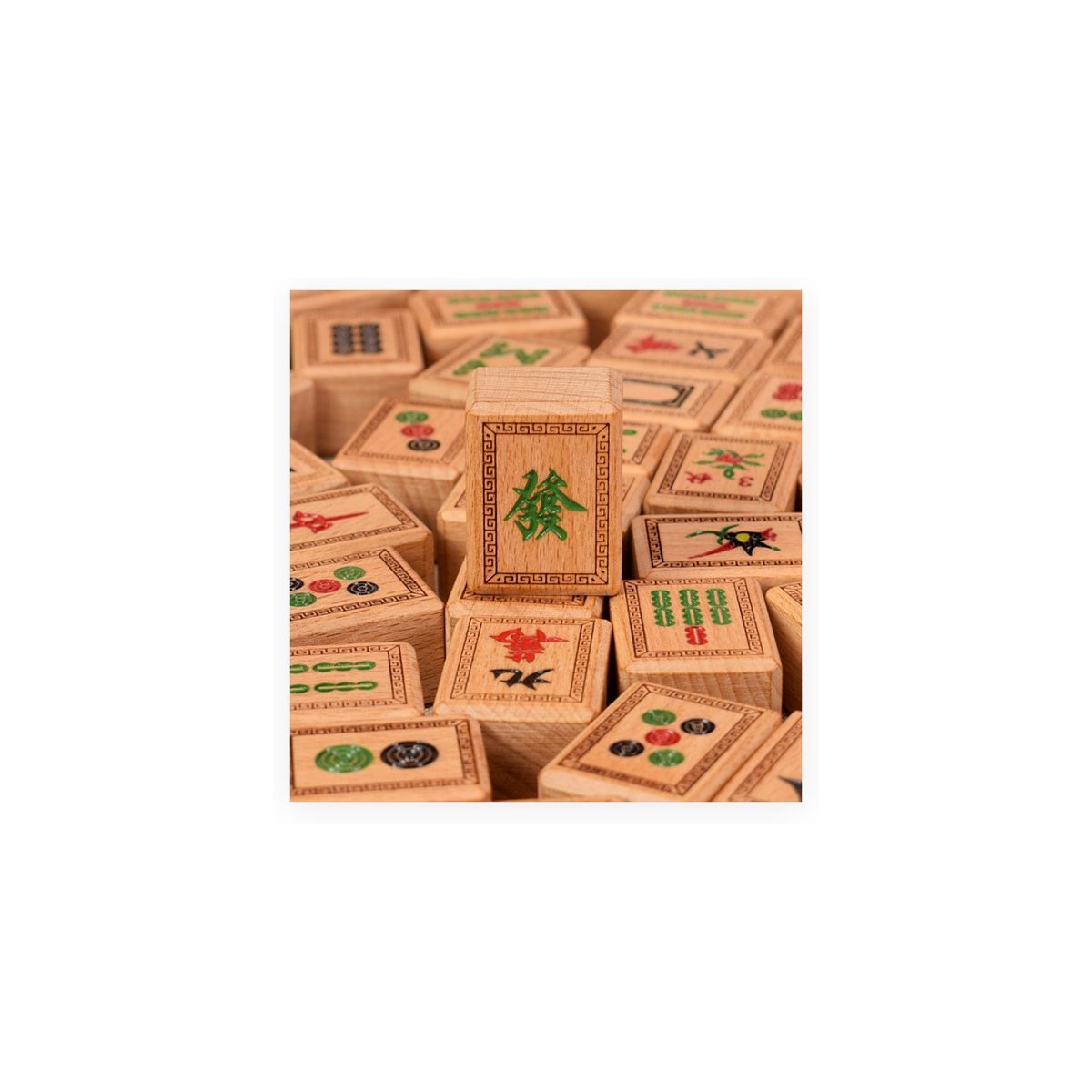
The first Mahjong lesson often feels simple until the table starts moving. A new player may understand that there are suits, winds, dragons, flowers, and jokers in some sets, but the real skill is recognizing each tile quickly enough to stay present in the hand. Tile recognition is less about memorizing a chart and more about building a comfortable visual rhythm.
A short practice routine before game night can make beginners feel much more confident. It also helps hosts introduce Mahjong without turning the evening into a lecture. The goal is not to master strategy in one sitting. The goal is to make the tiles feel familiar, tactile, and easy to sort.
Start With Families, Not Individual Tiles
Place the tiles face up and group them by family before explaining any rules. Dots, bamboos, and characters are the numbered suits. Winds and dragons are honor tiles. Flowers and seasons, when included, usually behave differently depending on the rule set. This physical sorting exercise gives beginners a map of the set before they need to make decisions.
For Western home players, this is especially helpful because many people come to Mahjong through American Mahjong, Chinese Mahjong, or a mixed social table. The names may change slightly from one rule set to another, but the visual families are still the best starting point.
Use a Three-Minute Naming Drill
Once the families are separated, pick ten tiles and ask each player to name only the suit or type, not the exact value. For example: bamboo, dot, character, wind, dragon. Keep the pace relaxed. If someone hesitates, let them compare the tile against the grouped rows instead of guessing under pressure.
After that, repeat the drill with exact names: three bamboo, nine dots, east wind, red dragon. Beginners tend to improve quickly when the practice is visual and tactile rather than purely verbal.
Teach the Confusing Tiles Early
Every set has a few tiles that slow new players down. One bamboo may look decorative rather than numeric. Character tiles can be intimidating if the player does not read Chinese. Winds may be easy to mix up until the table direction becomes meaningful. Pull these tiles aside and give them a second look before the first hand begins.
A useful host habit is to create a small reference row beside the wall for the first round. It should be quiet and practical, not a classroom handout. New players can glance over when they need help and stay engaged with the table.
Practice Sorting a Starting Hand
Deal thirteen or fourteen random tiles to each beginner and ask them to sort the hand in a way that makes sense to them. Most players naturally arrange suits together, then honors, then special tiles. This helps them see patterns without needing to know advanced strategy yet.
The point is to build comfort with the physical set. Good tiles have enough weight and clarity that players can scan them easily. A clean table surface, steady light, and uncluttered layout all make the learning process smoother.
Keep the First Game Friendly
A beginner table should move slowly enough for people to ask questions, but not so slowly that the night loses energy. Let players name discarded tiles out loud for the first few hands. Encourage them to pause before drawing or discarding if they are still learning the tile families.
The more familiar the tiles become, the more social the game feels. Once players stop translating every symbol in their head, they can enjoy the conversation, the table rhythm, and the satisfaction of seeing a hand come together.
Comments: 0
Leave a Reply
Leave a Reply
No comments




East Sun Industrial Centre, 16 Shing Yip Street, Kwun Tong, Kowloon, Hong Kong
(+852) 93519647
hello@mahjongday.com