30 days to return. Free delivery for orders over $200
Your shopping cart is empty!
Mahjong as a Screen-Free Family Night: How to Make the Table Feel Easy for Everyone
Jul
02,
2026
0 Comments
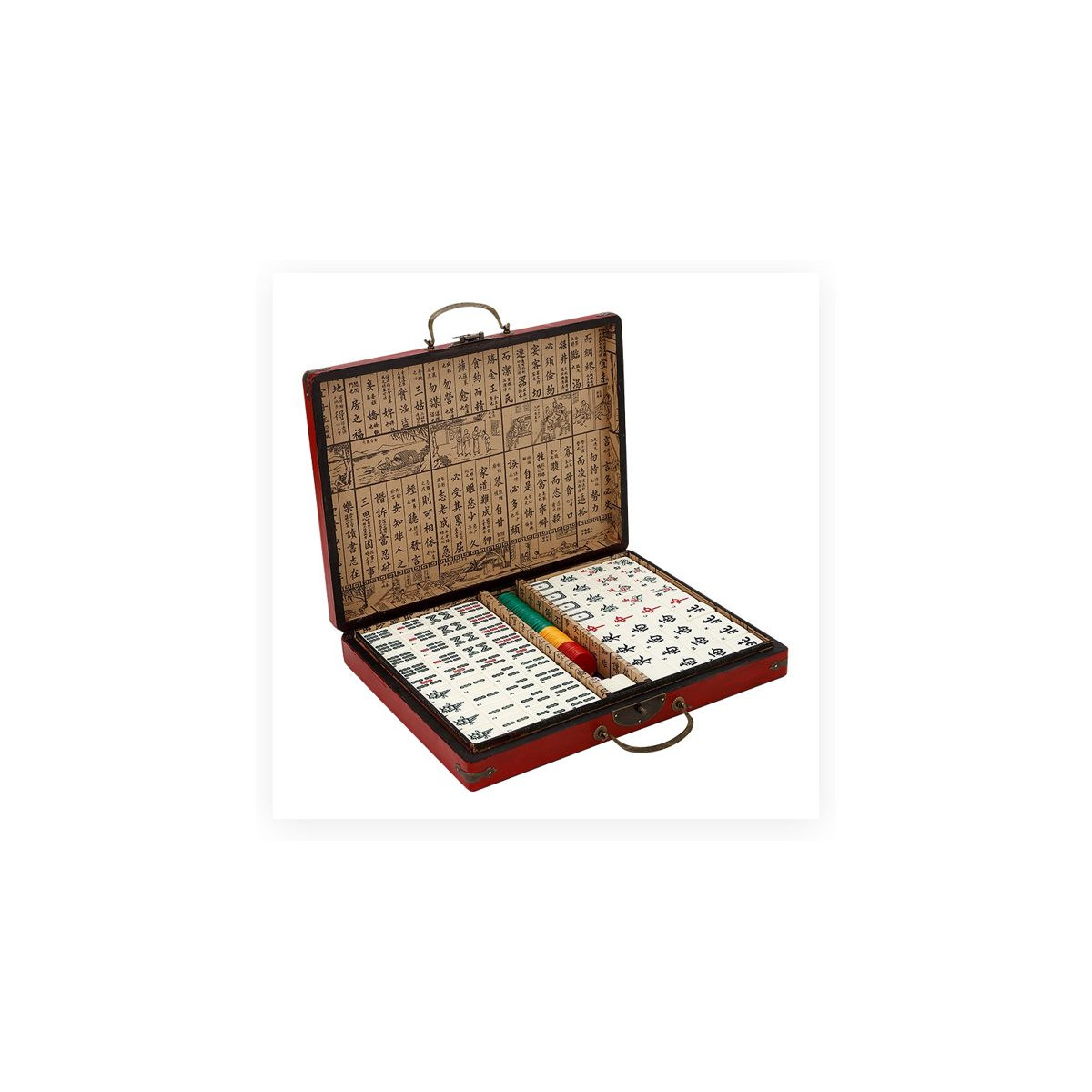
Some family nights are planned around a movie. Others begin with everyone on a different device, half-talking while the evening quietly disappears. Mahjong offers a different rhythm: hands moving tiles, people noticing patterns, small jokes crossing the table, and enough structure to keep the night from feeling like another vague attempt at quality time.
For Western households discovering Mahjong as a home game, the best first goal is not perfect strategy. It is getting people comfortable at the table. When the setup is warm, the pace is forgiving, and the host gives everyone a useful role, Mahjong becomes less intimidating and much more social.
Start With the Kind of Night You Want
A family Mahjong night does not need to imitate a formal club table. Decide whether the evening is meant to be instructional, playful, or simply a way to bring several generations into the same room. That choice affects everything: how long you play, how much scoring you explain, and whether beginners can ask questions during a hand.
For a first family session, keep the table relaxed. Use shorter rounds, let experienced players sit beside newer ones, and make it clear that the first night is about learning the flow. People are more likely to come back when they leave feeling included rather than tested.
Give Beginners a Seat Before Giving Them a Rulebook
Mahjong has depth, but family entertainment works best when the first explanation is small. Begin with what players can see: suits, winds, dragons, matching tiles, and the idea of building a complete hand. Leave advanced scoring, special hands, and regional variations for later.
If children, teens, or grandparents are joining, give them something active early. One person can help build the walls. Another can organize discarded tiles. Someone else can keep a simple score sheet or refill tea and snacks between rounds. These small roles make the table feel shared instead of divided between experts and spectators.
Make the Physical Table Inviting
The right atmosphere matters. Clear the dining table before guests arrive, place the Mahjong set where everyone can reach comfortably, and keep lighting bright enough to read tile details without strain. A soft mat or tablecloth can reduce noise and help tiles feel more controlled.
Snacks should be easy to pick up without leaving residue on the tiles. Think fruit, small pastries, tea, sparkling water, or simple appetizers served away from the main play area. The goal is to make the room feel considered without making anyone nervous about touching the set.
Use Phones for Photos, Then Put Them Away
A screen-free night does not have to be strict or preachy. It can start with a quick photo of the table, especially if the set is beautiful or the evening feels special. After that, move phones to a sideboard or basket and let the table carry the conversation.
This small ritual works because Mahjong already gives people something to do with their hands. There is less temptation to scroll when the next tile, the next draw, and the next laugh are all happening in front of them.
Let the Game Become a Repeatable Ritual
The strongest family traditions are easy to repeat. Keep the Mahjong set, racks, dice, score pad, and any house-rule notes together so the next game night does not require a search. If a rule confused everyone, write down the version you used. If a snack was popular, repeat it.
Over time, Mahjong becomes more than a novelty. It becomes the table people recognize, the sound that means the evening has started, and the rare activity that lets different ages participate without pretending they all enjoy the same show, app, or playlist.
Comments: 0
Leave a Reply
Leave a Reply
No comments



East Sun Industrial Centre, 16 Shing Yip Street, Kwun Tong, Kowloon, Hong Kong
(+852) 93519647
hello@mahjongday.com