30 days to return. Free delivery for orders over $200
Your shopping cart is empty!
Mahjong House Rules for Mixed-Skill Game Nights: How to Keep the Table Friendly and Flowing
Jun
17,
2026
0 Comments
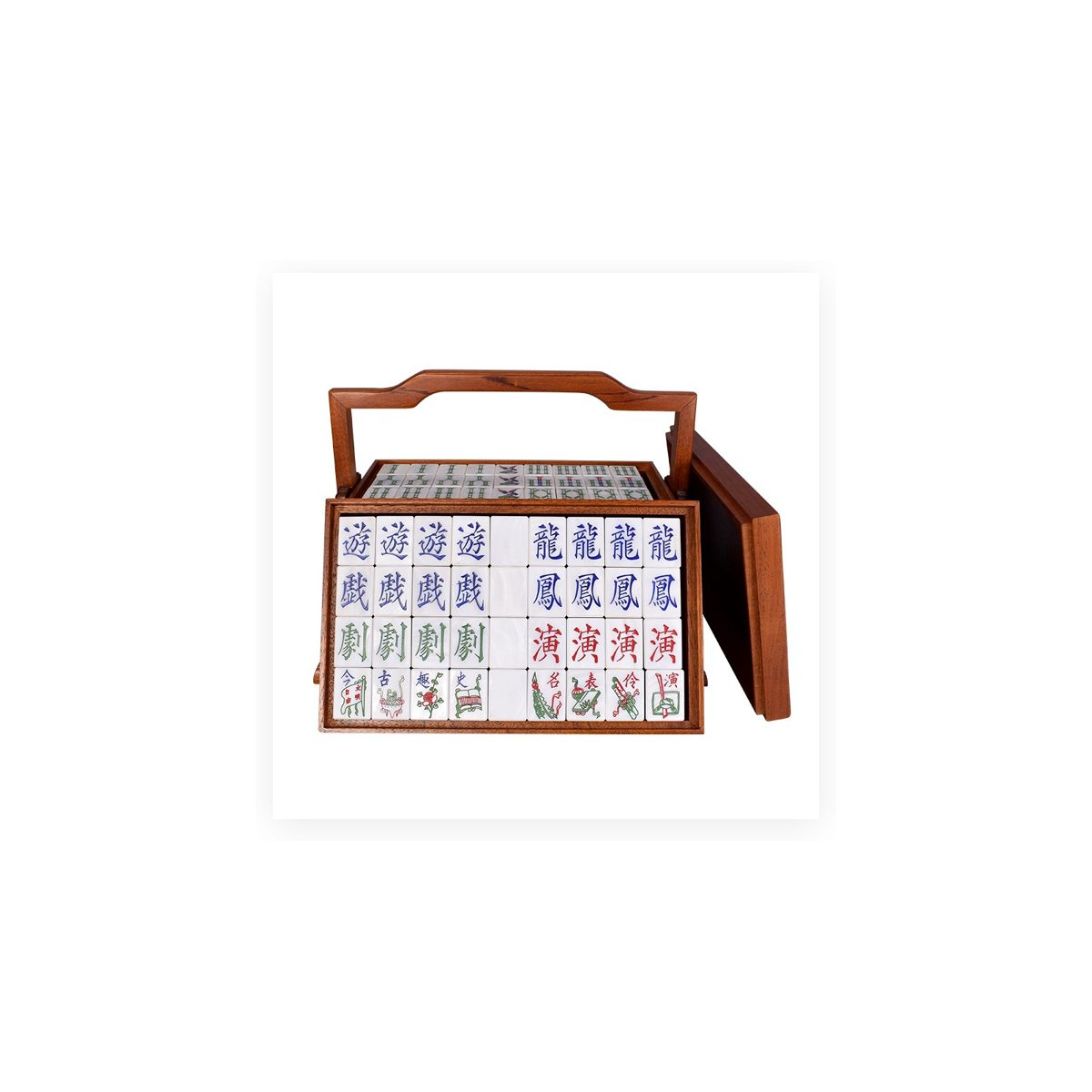
When a mahjong table includes one player who counts tiles quickly, one player who learned from family, and two people who are still asking what a pung is, the game does not need to become tense. It simply needs a few clear house rules.
The best home mahjong nights are not the ones that feel strict. They are the ones that feel fair. A small set of shared expectations can protect the pace of the game, reduce awkward corrections, and help newer players relax enough to learn. If you host regularly, a thoughtful rule sheet matters almost as much as the set itself.
Start with rules that remove friction, not personality
House rules work best when they answer practical questions before the first wall is built. Decide in advance which version you are playing, whether table talk is welcome, how forgiving the group will be about misreads, and what happens if someone exposes tiles by accident. This keeps corrections from feeling personal later.
If your group mixes experienced and newer players, it helps to say out loud that the point of the evening is a smooth, enjoyable game. That one sentence gives everyone permission to prioritize pace and generosity over proving who is right.
Agree on a beginner-friendly correction policy
Most awkward moments happen after small mistakes. A new player calls too late. Someone draws out of turn. A discard gets touched and then returned. Decide before play whether the table allows one gentle take-back for obvious beginner errors, or whether the game continues once the next player acts.
Consistency matters more than strictness. If the table is generous in round one but suddenly rigid in round four, players stop trusting the rhythm of the game. A simple, even standard keeps the mood calm.
Use visible etiquette cues
Good etiquette often has more to do with comfort than tradition. Ask players to keep drinks off the playing surface, avoid stacking snacks near the walls, announce calls clearly, and return tiles neatly after the hand. If you use racks or pushers, make sure everyone has enough elbow room and can see the center of the table without strain.
Hosts can support this without sounding formal. Put out coasters. Leave a small bowl for wrappers. Keep a side table nearby for phones, scorecards, and tea. The cleaner the table feels, the easier it is for beginners to follow the action.
Build in one teaching pause per round
New players usually do not need constant coaching. They need one or two calm moments to ask the question that unlocks the rest of the hand. A helpful house rule is to save discussion for the end of each hand or round unless someone requests quick clarification in the moment.
This protects game flow while still making the night feel welcoming. Experienced players can explain why a hand developed a certain way without turning every discard into a lesson.
Write your rules the way you would invite someone into your home
A good house rules card should sound human. Instead of "No mistakes allowed after draw phase," try "If a beginner makes an obvious error, we fix it once before the next player fully takes a turn." Instead of "No food at table," try "Snacks stay on side plates so tiles stay clean." The tone matters. People follow rules more easily when they feel cared for, not managed.
Why this matters for the set you choose
If you host mixed-skill nights often, your mahjong setup should support clarity. Well-marked tiles, a comfortable case, and accessories that keep the table organized can make the evening noticeably smoother. Beautiful game nights are not only about style. They are also about making the game easy to enjoy.
Mahjong has always been social at heart. The best house rules preserve that spirit by making room for confidence, conversation, and repeat invitations.
Comments: 0
Leave a Reply
Leave a Reply
No comments




East Sun Industrial Centre, 16 Shing Yip Street, Kwun Tong, Kowloon, Hong Kong
(+852) 93519647
hello@mahjongday.com