30 days to return. Free delivery for orders over $200
Your shopping cart is empty!
Mahjong Etiquette for Modern Home Games: Small Table Habits That Make Everyone Enjoy the Night
Jun
19,
2026
0 Comments
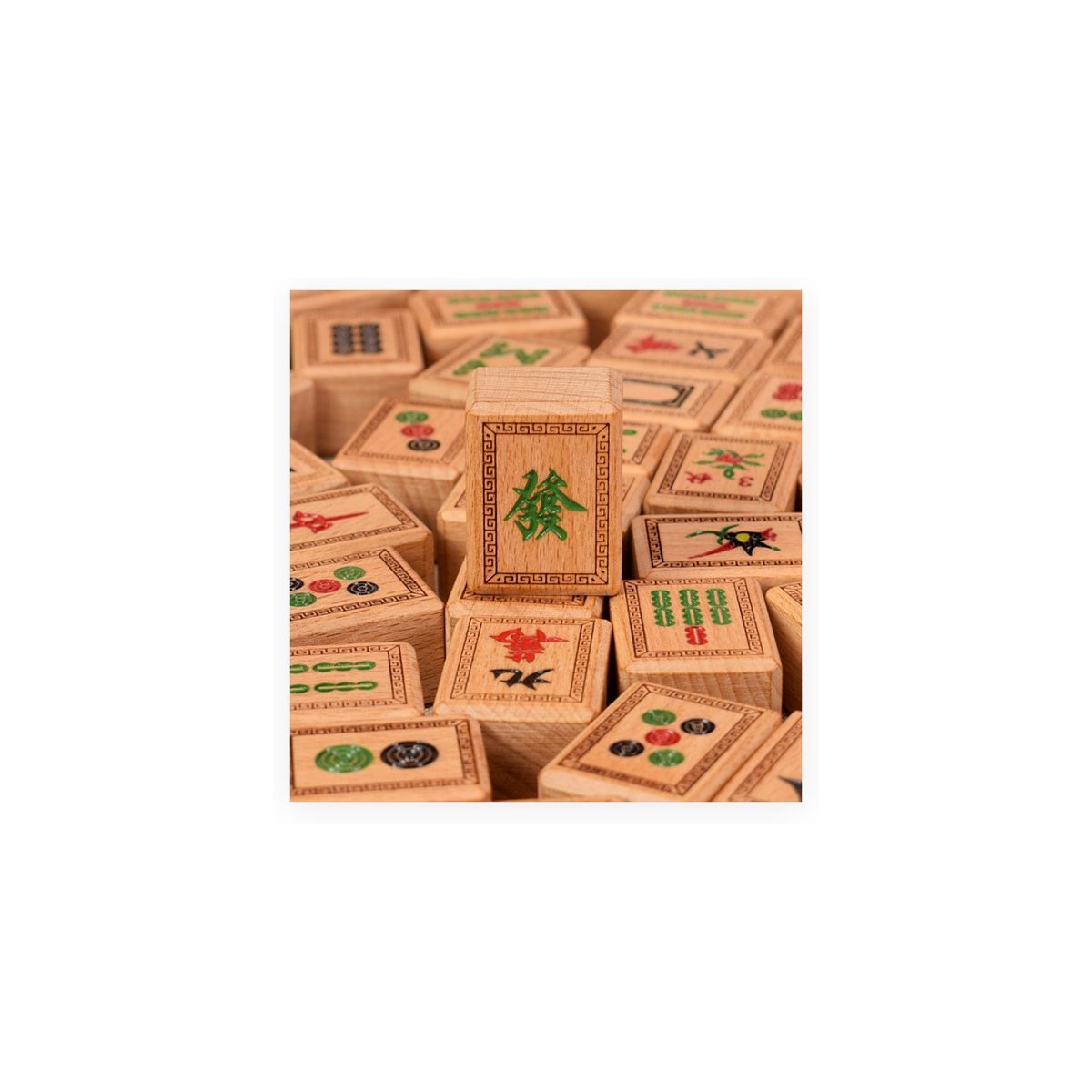
When people talk about Mahjong etiquette, they sometimes make it sound like a long list of rules. For modern home games, that is the wrong tone. The best etiquette is not rigid. It is thoughtful. It helps the game move well, keeps guests comfortable, and prevents the small frictions that can make even a beautiful evening feel a little tense.
That matters even more in Western home settings, where Mahjong is often part game, part gathering. One person may care deeply about strategy, another may be learning for the first time, and another may simply love the ritual of sitting around the table with good company. Good manners help those different expectations coexist.
Start Before the First Shuffle
Etiquette begins before anyone touches a tile. If you are hosting, let guests know what kind of game night they are walking into. Is this a relaxed beginner table? A casual recurring group? An American Mahjong night with racks, pushers, and a card? A Chinese-style session with a quicker rhythm? A short message ahead of time sets the tone and saves awkwardness later.
It also helps to have the table prepared. Clear enough space for racks, snacks, drinks, and discards. Make sure lighting is warm but bright enough to read the tiles comfortably. Put beverages slightly away from the center of play. These are small details, but they immediately signal that everyone can settle in and focus on the game rather than working around the setup.
Handle the Tiles With Care
Mahjong is tactile. The sound of the shuffle, the feel of the tiles, and the rhythm of building the walls are part of the pleasure. That is why handling the set with a little care goes a long way. Try not to bang tiles down unnecessarily, scrape them aggressively across the table, or stack drinks where spills are likely.
This is especially important if you are using a set with polished tiles, a wooden case, or decorative accessories that are meant to last. Treating the equipment well is not only practical. It also communicates respect for the host and for the shared experience.
Keep Your Pace Considerate
Every table has a rhythm, and one of the simplest forms of Mahjong etiquette is matching it. If you play much faster than everyone else, beginners can start to feel pressured. If you are consistently far slower than the table without saying anything, the game can lose momentum.
The solution is not perfection. It is awareness. Draw, sort, and discard with purpose, but give others a beat to follow the action. If you need extra time because you are new, say so lightly and continue. Most people are very patient when they know what is happening. Tension usually comes from silence, not from honest pacing.
Announce Clearly and Speak Kindly
Mahjong involves constant micro-communication: whose turn it is, whether a tile was called, whether a hand is complete, or whether a flower is being replaced. Clear speech keeps mistakes from becoming arguments. A calm, audible call is better than a dramatic one, and repeating an important action once is often more helpful than assuming everyone noticed.
Tone matters too. Correcting a rule is sometimes necessary, but how you do it defines the atmosphere. A warm, direct explanation keeps the table moving. A sharp or performative correction can make a beginner withdraw for the rest of the evening. If your goal is a game people want to return to, kindness is part of the rules, even when it is not printed anywhere.
Respect the Reveal
One understated piece of good etiquette is letting players manage their own hands. Avoid reaching into someone else's tile area, reordering their racks without permission, or loudly analyzing what they should have done unless they invite the feedback. Advice that arrives too quickly can feel less like help and more like being watched.
This is particularly true in mixed-skill groups. New players often need room to think, make a mistake, and learn from it. Giving them that room is a courtesy. It keeps the game social rather than evaluative.
Protect the Table From Clutter
Food and drinks absolutely belong at many home Mahjong nights, but they work best when they support the game instead of fighting it. Choose snacks that are easy to eat cleanly and place napkins within reach. If someone brings something messy, it helps to gently create a side area for plates rather than crowding the center of the table.
Phones are another kind of clutter. A quick photo of the setup is part of modern hosting culture, and that can be lovely. But repeated scrolling, delayed turns because of texting, or half-paying attention to the game changes the energy fast. A simple host cue helps: once the game starts, keep the table mostly for tiles and conversation.
Make Room for Beginners Without Turning the Night Into a Lecture
One of the nicest etiquette moves at a home table is knowing how to support new players gracefully. Offer the rule that matters in the moment. Explain the next step. Resist the urge to explain all possible strategies at once. People learn Mahjong best in layers, and too much information can make the game feel heavier than it is.
If you are the experienced player at the table, remember that enthusiasm is contagious. When beginners feel embarrassed, they tense up. When they feel welcomed, they stay curious. That difference often comes down to whether the experienced players are acting like judges or like hosts.
Finish the Night Well
Etiquette does not stop when someone wins a hand. Good home games end with the same generosity they begin with. Reset the tiles together, help gather accessories, and thank people for coming. If the night was especially beginner-friendly, mention that directly so newer players leave knowing they are wanted back.
Mahjong has a special ability to make an evening feel slower, richer, and more memorable than an ordinary get-together. Etiquette is what protects that feeling. Not because it makes the table formal, but because it makes the table easy to share. And that, more than any single rule, is what turns a one-time game into a tradition people genuinely look forward to.
Comments: 0
Leave a Reply
Leave a Reply
No comments


East Sun Industrial Centre, 16 Shing Yip Street, Kwun Tong, Kowloon, Hong Kong
(+852) 93519647
hello@mahjongday.com